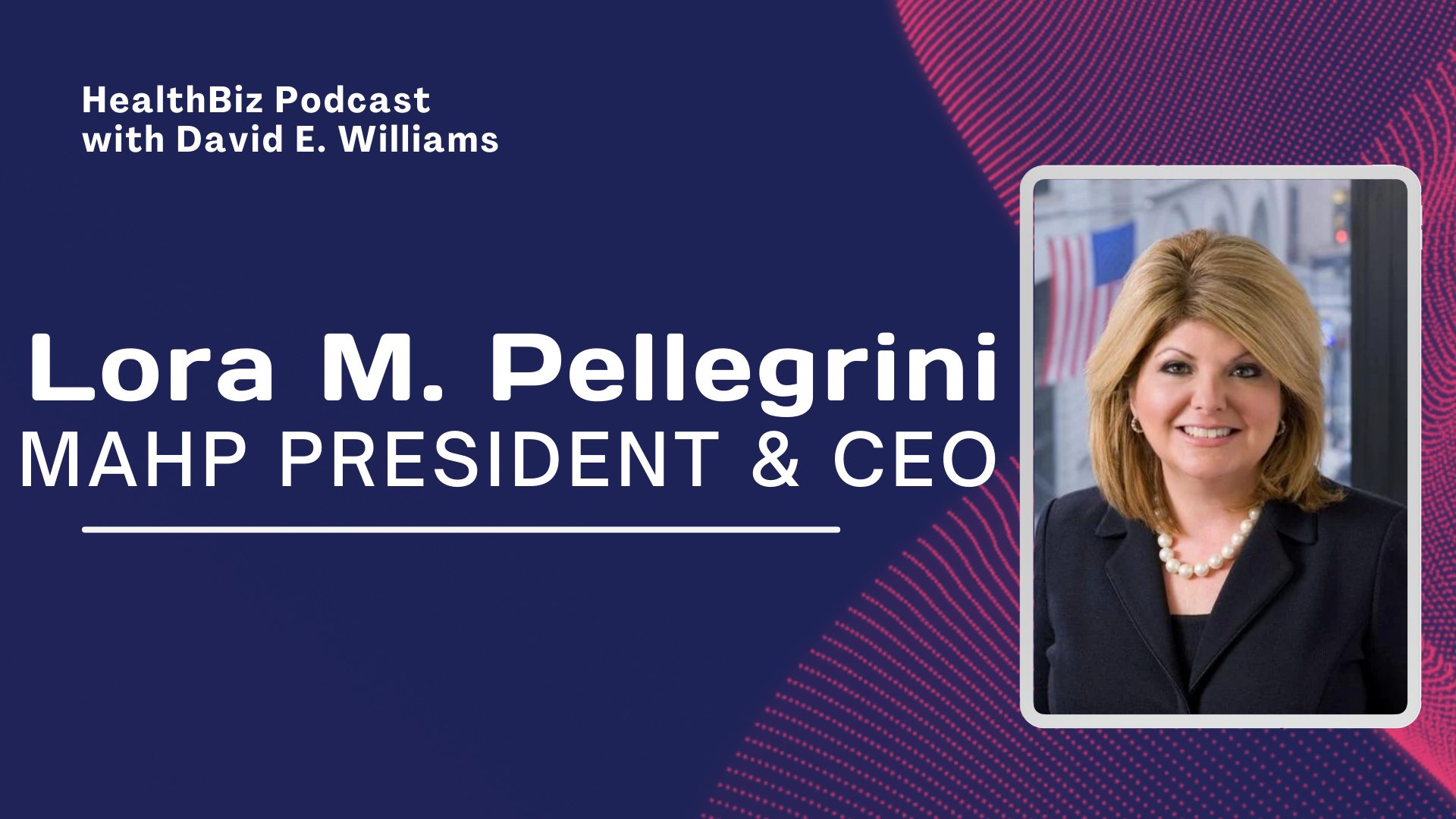
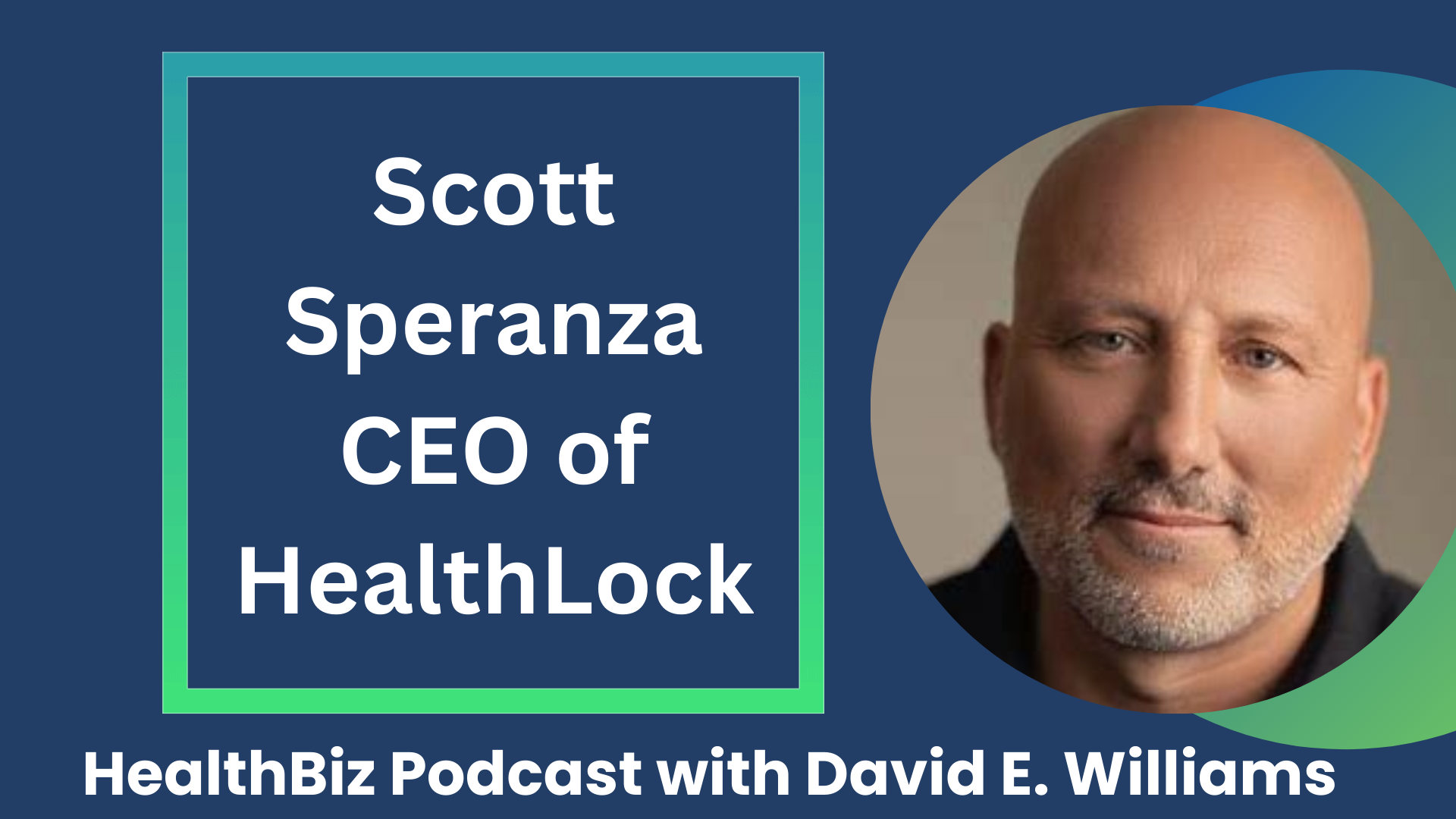
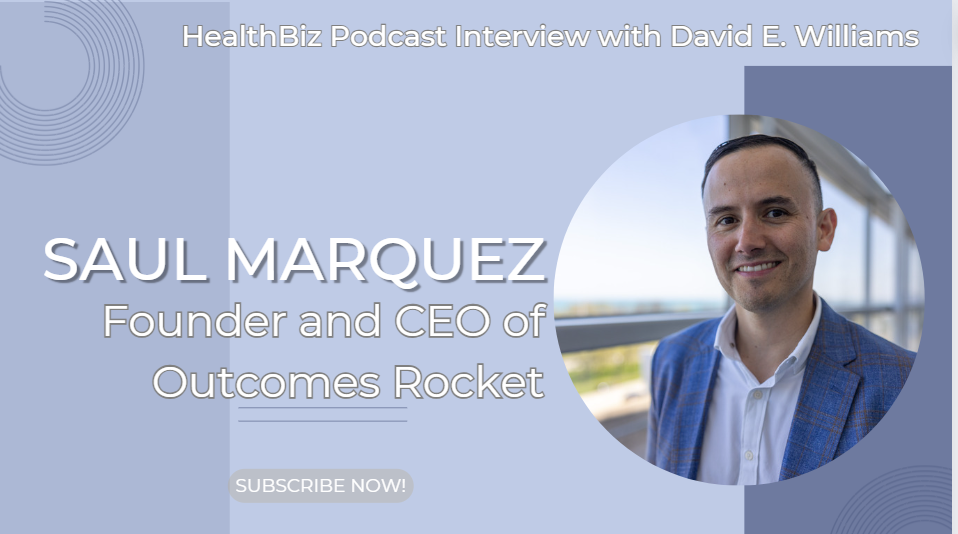
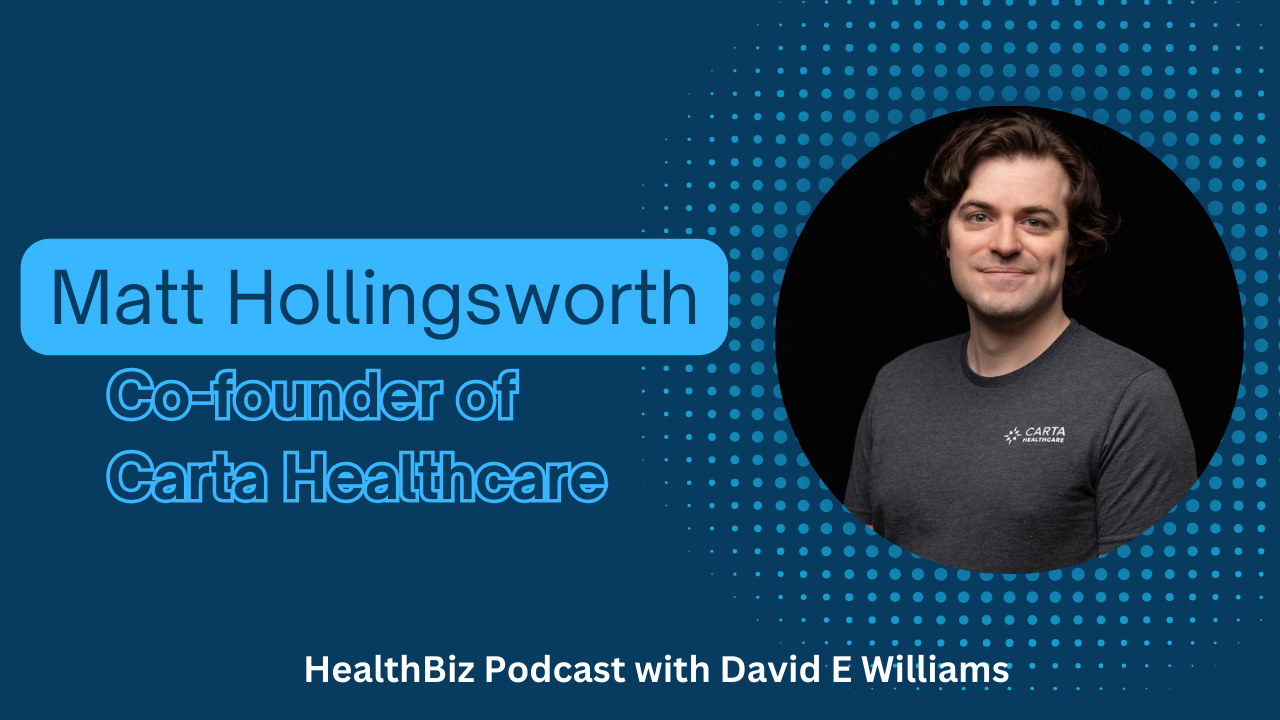
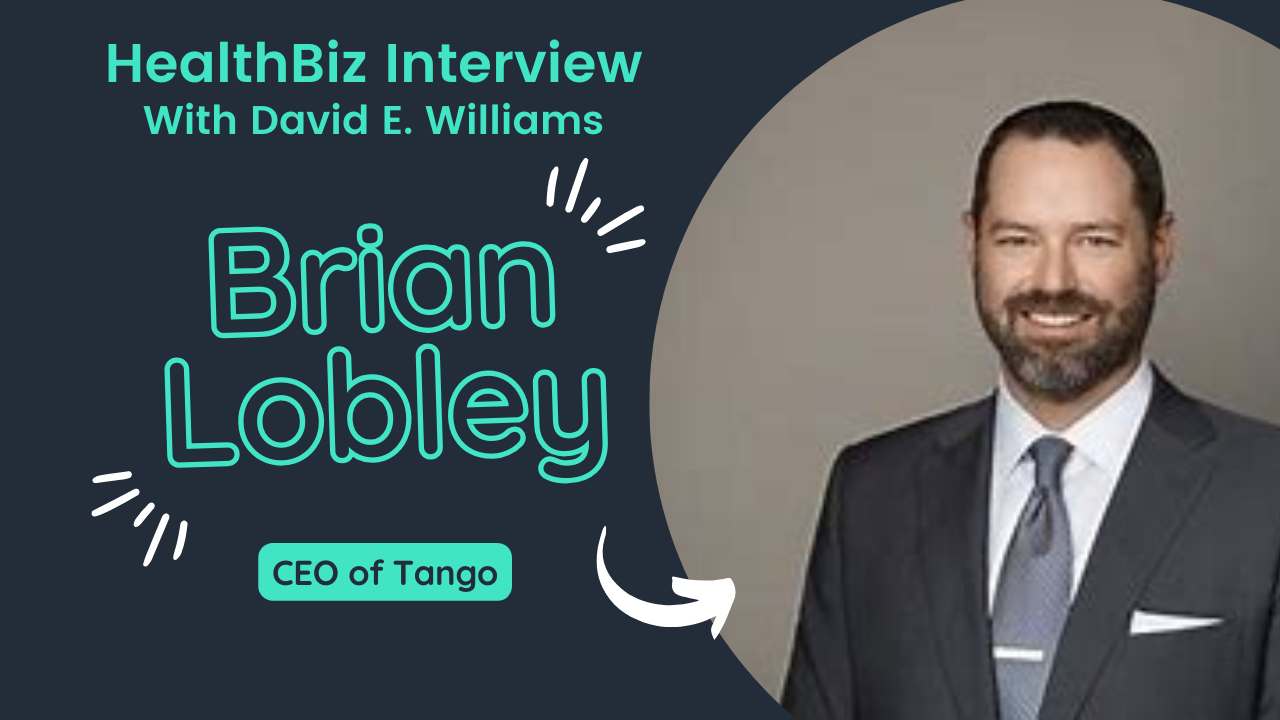
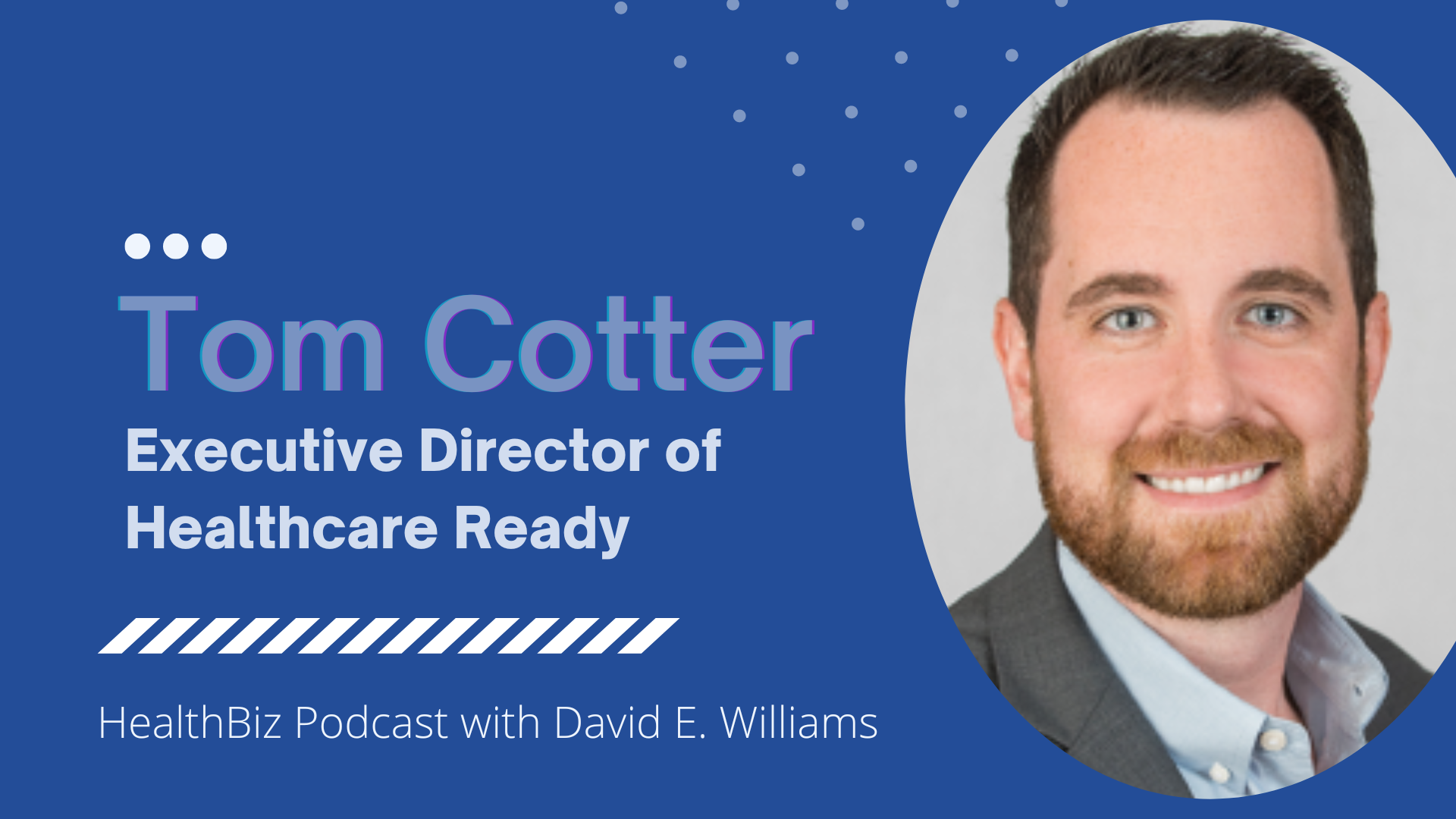
David Williams 4/25/24 David Williams 4/25/24 Interview with Lora Pellegrini, Massachusetts Association of Health Plans CEO Read More David Williams 4/18/24 David Williams 4/18/24 Coordinating Care Coordination. Interview with Lumeon’s Robbie Hughes Read More David Williams 4/11/24 David Williams 4/11/24 Pushbutton Eye Exams. Interview with Eyebot founder Matthias Hofmann Read More David Williams 4/4/24 David Williams 4/4/24 How to automatically audit your medical bills. Interview with HealthLock’s Scott Speranza Read More David Williams 3/28/24 David Williams 3/28/24 Can surgeons handle value based care? Interview with Caresyntax CEO Dennis Kogan Read More David Williams 3/21/24 David Williams 3/21/24 Interview with Julia Paget, Clinical Embryologist and IVF Guide CEO Read More David Williams 3/14/24 David Williams 3/14/24 Interview with Outcomes Rocket CEO Saul Marquez Read More David Williams 3/7/24 David Williams 3/7/24 Interview with Carta Healthcare co-founder Matt Hollingsworth Read More David Williams 2/29/24 David Williams 2/29/24 Interview with Tango CEO Brian Lobley Read More David Williams 2/22/24 David Williams 2/22/24 Interview with Clinithink CEO Chris Tackaberry Read More David Williams 2/15/24 David Williams 2/15/24 Interview with Health Universe CEO Dan Caron Read More David Williams 2/8/24 David Williams 2/8/24 Interview with Proscia co-founder David West Read More David Williams 2/1/24 David Williams 2/1/24 Interview with ResultsCX CEO Rajesh Subramaniam Read More David Williams 1/25/24 David Williams 1/25/24 Interview with Healthcare Ready ED Tom Cotter Read More David Williams 1/18/24 David Williams 1/18/24 Interview with RxLightning CEO Julia Regan Read More David Williams 1/11/24 David Williams 1/11/24 Interview with Amenities Health CEO Dr. Aasim Saeed Read More David Williams 1/10/24 David Williams 1/10/24 Healthcare predictions for 2024 Read More David Williams 1/4/24 David Williams 1/4/24 Interview with Diana Nole, Microsoft Health & Life Sciences Read More David Williams 12/21/23 David Williams 12/21/23 Interview with Clincierge CEO Scott Gray Read More David Williams 12/14/23 David Williams 12/14/23 Interview with Sworkit CEO Ryan Hanna Read More Older Posts
David Williams 4/25/24 David Williams 4/25/24 Interview with Lora Pellegrini, Massachusetts Association of Health Plans CEO Read More
David Williams 4/18/24 David Williams 4/18/24 Coordinating Care Coordination. Interview with Lumeon’s Robbie Hughes Read More
David Williams 4/11/24 David Williams 4/11/24 Pushbutton Eye Exams. Interview with Eyebot founder Matthias Hofmann Read More
David Williams 4/4/24 David Williams 4/4/24 How to automatically audit your medical bills. Interview with HealthLock’s Scott Speranza Read More
David Williams 3/28/24 David Williams 3/28/24 Can surgeons handle value based care? Interview with Caresyntax CEO Dennis Kogan Read More
David Williams 3/21/24 David Williams 3/21/24 Interview with Julia Paget, Clinical Embryologist and IVF Guide CEO Read More
David Williams 3/14/24 David Williams 3/14/24 Interview with Outcomes Rocket CEO Saul Marquez Read More
David Williams 3/7/24 David Williams 3/7/24 Interview with Carta Healthcare co-founder Matt Hollingsworth Read More
David Williams 2/22/24 David Williams 2/22/24 Interview with Clinithink CEO Chris Tackaberry Read More
David Williams 2/1/24 David Williams 2/1/24 Interview with ResultsCX CEO Rajesh Subramaniam Read More
David Williams 1/25/24 David Williams 1/25/24 Interview with Healthcare Ready ED Tom Cotter Read More
David Williams 1/11/24 David Williams 1/11/24 Interview with Amenities Health CEO Dr. Aasim Saeed Read More
David Williams 1/4/24 David Williams 1/4/24 Interview with Diana Nole, Microsoft Health & Life Sciences Read More